Sunny with a 100%  Chance of Golf Balls

Sunny with a 100% Chance of Golf Balls

That’s the forecast for our 13th Annual Golf Tournament on November 3rd at Legacy Golf Club Las Vegas. It’s one of our biggest fundraisers of the year.

“We are very excited about this year’s event,” said Greg Hogan, Vice Chairman of SOK’s Board of Directors. “Once again, Diazo is our presenting sponsor and more than 25 other organizations and companies are stepping up to help raise money for Serving Our Kids. We are so grateful for their support.”

Even if you’re not a golfer or you can’t attend, you can still join the fun and support SOK by entering our Helicopter Golf Ball Drop contest.

Buy a golf ball for $50. Buy one ball or a hundred balls. There’s no limit. Each ball you buy has a number assigned to your name.

At the tournament, a Sundance helicopter will drop all balls on a green. If your ball is first in the hole or closet to the hole, you win $2,000 in cash! Second closest wins $1,000! Third closest wins $500!

Buy your golf balls, today! And help us feed the dreams of hungry kids across the Las Vegas valley.

Sponsor Highlights: NV Energy Foundation

Sponsor Highlights: NV Energy Foundation

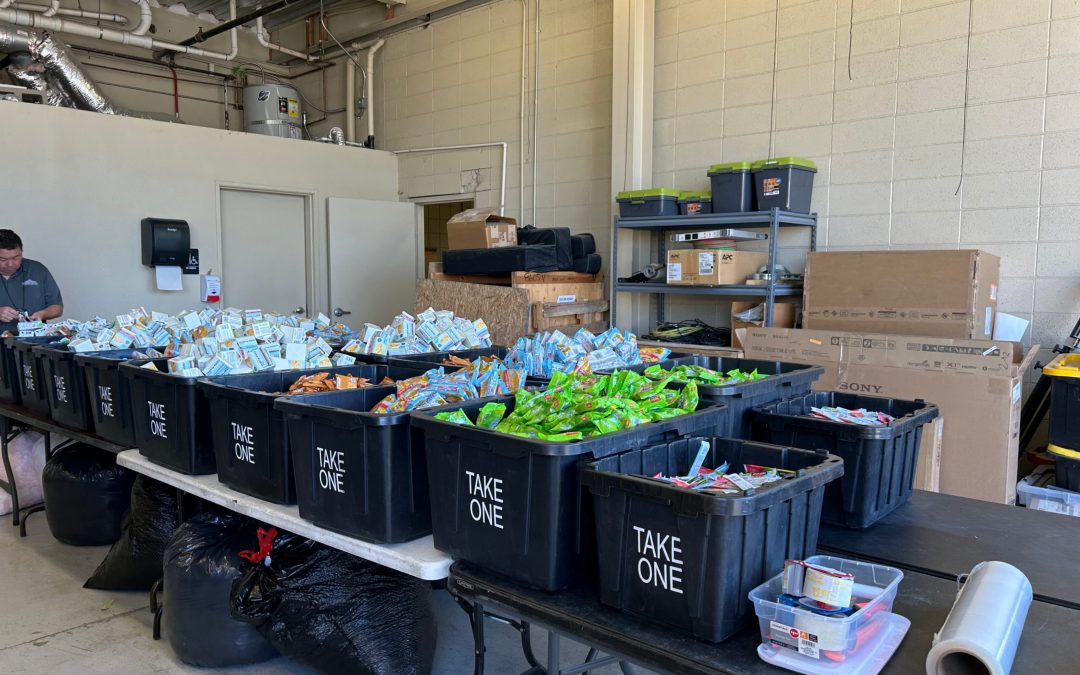
Serving Our Kids is proud to partner with NV Energy Foundation for a marathon
meal-bagging event to kick-off the 2024/2025 school year.

“This event will provide 10,000 meal bags for food-insecure children throughout Southern Nevada,” said Laurie Tanakaya, CEO of Serving Our Kids. “We are so grateful for this amazing opportunity to partner with NV Energy Foundation to serve and support our community.”

The NV Energy Foundation is committed to connecting with the community through civic leadership, financial contributions and volunteerism. Its mission is to make every community a better place to live, work and do business.

“Volunteerism is at the heart of what we do,” said Angel Williams, Director of Community Relations at NV Energy. “This year, we set a goal to engage more of our employees and business units in team building volunteer projects.

“When we engage in team building volunteerism, we deepen our community connection and strengthen the sense of community within our team.” Angel added. “It’s a key part of our culture of continuous improvement.”

“Serving Our Kids helps ensure that kids throughout Southern Nevada have access to free and healthy food,” said Shannon Gregory, NV Energy’s Director of Electric Delivery in Southern Nevada. “The NV Energy Foundation has supported their program with a $50,000 donation.

“We worked hard to make sure as many of our field employees, who normally don’t have the opportunity to volunteer during the work day, could participate in this important event without affecting service to our customers.”

Celebrate Giving Tuesday

Celebrate Giving Tuesday

Giving Tuesday is a worldwide event that encourages people to give back to their communities through charitable donations, volunteering and acts of kindness. It inspires millions of individuals, organizations and businesses to donate their time and resources to worthy causes they care about.

After the seasonal shopping frenzy of Green Wednesday, Thanksgiving Day, Black Friday and Cyber Monday, Giving Tuesday is the perfect day to take a breath and reflect on those who need our help.

Please encourage your family, friends and co-workers to put Serving Our Kids on their gift-giving list. And help feed dreams of thousands of hungry kids this holiday season.

How Does it Affect Kids?

How Does it Affect Kids?

How Food Insecurity Affects Children 

Increased Health Problems 

Children who do not receive sufficient nutrients are at a higher risk of serious health complications, such as stunted growth, weakened immune systems and increased susceptibility to diseases and infections. The lack of essential vitamins and minerals can severely affect a child’s energy levels and cognitive functions. 

Persistent hunger among children can lead to negative mental and emotional effects, such as higher rates of anxiety and depression. The stress of not knowing when or where their next meal will come from can create a state of constant worry and fear, which can hinder cognitive development and impair learning. 

Studies have shown that food-insecure children are more likely to struggle in school, have lower academic achievement and exhibit behavioral issues. 

The social stigma associated with food insecurity can affect a child’s self-esteem and social interactions. Food insecure children are more likely to feel isolated or different from their peers. This can affect the development of effective social skills and lead to social withdrawal. 

The combination of physical, mental and social challenges feeds a cycle of debilitating health issues that can be difficult to break without timely and effective interventions. 

Developmental Challenges 

Food insecurity can have significant negative impacts on a child’s physical and emotional well-being. The first few years of life a critical to the normal development of the body and mind. Inadequate nutrition can alter the brain’s structure and impair its function. This can directly result in reduced: 

  • Cognitive and memory capacities. 
  • Language and motor skills. 
  • Abilities to concentrate, learn and comprehend. 

Food insecurity also impacts emotional and behavioral development. Child hunger can induce stress responses, which can lead to long-term emotional problems. It can make food-insecure children: 

  • More prone to behavioral issues. 
  • Less able to develop social skills that help form healthy relationships, which can lead to 
  • social withdrawal and isolation. 
  • Less able to cope with the normal challenges of childhood and adulthood. 

Poor Academic Performance 

Numerous studies consistently show that food-insecure students are more likely to experience difficulties in school compared to their peers who have regular access to nutritious meals. 

  • Children who are food insecure are more likely to score lower on standardized tests, especially in math. 
  • A report by the No Kid Hungry campaign found that hungry children are less able to focus on academics and are more likely to repeat a grade. 
  • According to the American Psychological Association, food insecure children are more likely to miss school and are 40% more likely to be suspended from school. 
  • Schools with higher rates of food insecurity among their students report higher dropout rates and less engagement in extracurricular activities. 
  • Programs that address child hunger have been shown to improve attendance, cognitive performance and, ultimately, academic success. 

Ensuring that children receive adequate nutrition is not only a matter of public health but also a critical component of social and education policy and community support that fosters an environment where all students have the opportunity to succeed. 


What Causes Food Insecurity?

What Causes Food Insecurity?

A Perfect Storm: The Forces Driving Food Insecurity 

If the problem of food insecurity had only one, clear cause, it might be easier to find an effective and immediate solution. But there are many difficult and pervasive social and economic factors that prevent families from accessing sufficient nutritious food for all members, especially children. These include: 

Economic Instability: Financial hardships, such as low household income, unemployment or underemployment, are major causes. When families struggle financially, they may not have the resources to consistently purchase enough food, leading to periods of food insecurity. 

The High Cost of Living: Many families living in areas where housing, healthcare and transportation are expensive have less money available for purchasing food.  

Access Issues: Some families live in areas where fresh, affordable food is not readily available. Limited access to grocery stores that offer healthy food options can increase reliance on convenience store food or fast food restaurants that may not provide the nutritious meals children need. 

Lack of Social Support: Insufficient access to social safety nets like food assistance programs (e.g., SNAP school meal programs) can cause food insecurity. Barriers to access include, being ineligible to receive assistance, a lack of awareness, or the social stigma associated with using these services. 

Health Issues: Medical expenses or caring for a family member with chronic health conditions can be overwhelming. This can reduce the resources available for food. 

Racial and Ethnic Disparities: Discrimination in the job market, income inequality and unequal access to resources result in higher rates of food insecurity in minority populations, especially among people of color. 

Educational Disparities: Parents with lower levels of education can have fewer opportunities to hold well-paying jobs. Lower income levels can result in increased food insecurity. 

Food insecurity has become a critical public health issue. Understanding these key factors and how they interact to compound the problem is essential for effectively addressing child food insecurity through public policy and targeted interventions. 

Skip to content